




Career Guides
Most Profitable Skilled Trades for 2026 and Beyond
You do not need a four-year degree to earn big. In 2026, the highest-paying skilled trades will favor people who show up, learn fast, and stack the right licenses and hours on the job.
Career Training
November 6, 2025 | Andy
Given the increasing costs, time constraints, and the demand for job-ready candidates, many individuals are turning towards bootcamps for a more practical and efficient learning experience. Are you ready to transform your career in tech? Read on!
Given rising costs, time constraints, and demand for job-ready candidates, many individuals are turning to boot camps for a more practical, efficient learning experience. Are you ready to transform your career in tech? Read on!

Programming bootcamps are intensive training programs designed to equip students with practical skills. Unlike traditional university programs, which often focus on theoretical knowledge, bootcamps emphasize hands-on experience and real-world coding applications.
Duration: Bootcamps generally take between 3 and 6 months to complete, while universities typically require 2 to 4 years for a degree.
Program Structure: Bootcamps focus on essential technical skills and portfolio development through a fast-paced, cohort-based model. Universities provide a broader curriculum that includes theory, general education, and diverse electives.
Cost: Bootcamp tuition usually ranges from 7,000 to 20,000, depending on the program and location. In contrast, university costs can vary from 10,000 to 50,000 annually, with total expenses for a four-year degree potentially exceeding $200,000 at private institutions.
These differences highlight a significant contrast in time investment, allowing students to enter the workforce more efficiently. Reports indicate that approximately 75% of bootcamp graduates secure jobs within six months of completing their programs, underscoring the effectiveness of this educational approach for career changers.
Bootcamps are increasingly seen as practical alternatives to conventional education, offering various formats to suit different learning preferences.
Online Bootcamps: Programs such as Le Wagon and Flatiron School offer flexibility, allowing students to learn at their own pace, though they may lack hands-on interaction and immediate feedback.
Offline Bootcamps: Institutions such as General Assembly and Ironhack offer immersive experiences that enable direct instructor engagement and real-time feedback, though they require a greater time commitment.
Full-time bootcamp programs typically last 8 to 12 weeks and deliver an intense curriculum to enable rapid skill acquisition. Part-time options extend over several months for those balancing ongoing responsibilities.
Ideal candidates for bootcamp programs often include career changers from fields such as finance or marketing, as well as recent graduates seeking to enhance their technical qualifications. The accelerated timeline of bootcamps serves these groups well.
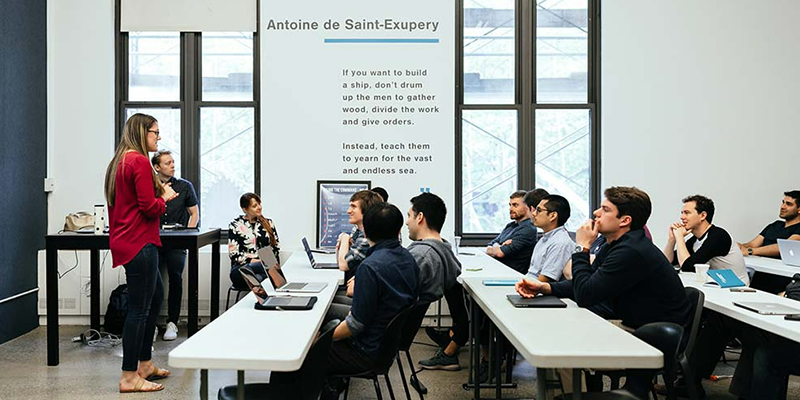
Bootcamps offer a range of modules to equip students with essential skills in high-demand technology fields. Typical offerings include web development—where participants learn HTML, CSS, and JavaScript—and data science, with a focus on Python and statistical analysis.
Hands-on learning is a hallmark of bootcamp instruction. Instructors often conduct live coding sessions that present real-time coding challenges, fostering collaboration. Group projects replicate the software development lifecycle, imparting invaluable project management and teamwork experience.
Such practical projects allow students to build portfolios that effectively showcase their skills to potential employers. By completing these exercises, students gain confidence and hands-on experience, enhancing their competitiveness in the tech job market.
Attending a coding bootcamp is seen as a shortcut to a tech career, but if you're considering joining, you need to be aware of the financial investment involved. Tuition costs range from 7,000 to 20,000, affected by program specifics and location. While many bootcamps require upfront payment, flexible options like income share agreements (ISAs) are increasingly available. This model allows students to pay a portion of their income only after securing a job above a certain salary threshold.
Bootcamps typically require 10 to 20 hours of study per week for part-time participants, while immersive programs often require full-time commitment over 12 to 24 weeks. This flexibility is particularly appealing to working students.
Graduates of the bootcamp can expect competitive starting salaries. The average starting salary for bootcamp graduates is approximately $68,000, which is higher than the starting salary of some recent college graduates ($50,000).
However, completing a bootcamp alone does not guarantee high earnings. Graduates should highlight their practical skills—such as proficiency in specific programming languages, showcased projects, and relevant internships.
Selecting the proper programming bootcamp requires thorough research to align with your career aspirations.
Reputation: Look for bootcamps with positive testimonials and strong alum success stories—platforms like Course Report and SwitchUp feature user-generated reviews to help gauge previous students' experiences.
Curriculum Relevance: Assess the curriculum concerning practical applications. Will students develop portfolio-worthy pieces that showcase the critical skills they need? Inquiries might include: What technologies will I be learning? Is there access to samples of student work?
Job Placement Support: Evaluate the post-graduation support offered. How do they collaborate with tech companies? What is their success rate in placing students? Are there networking opportunities available?
Embarking on a programming bootcamp can provide a streamlined, practical path to achieving your tech aspirations. Engaging directly with industry-relevant skills and benefiting from a supportive learning community can significantly enhance your job-market readiness. If you're considering a leap into the tech field, now is an excellent time to begin your exploration.
Certifications
November 24, 2025
Career Training
November 6, 2025
Career Guides
October 28, 2025
Career Guides
October 8, 2025
Career Guides
You do not need a four-year degree to earn big. In 2026, the highest-paying skilled trades will favor people who show up, learn fast, and stack the right licenses and hours on the job.
Career Guides
Find weekend jobs that actually pay well without messing up your weekdays. Learn which roles give the best hourly rates, how to target shifts, optimize your resume, and get hired faster with practical tips from real experience.
Career Guides
You do not need a perfect resume to land your first remote job. You need proof you can do the work, clean applications, and a short list of legit places to hunt.
Career Training
Discover the most effective online courses for freelance marketing. This guide covers foundational and niche freelance marketing courses, marketing training online for client acquisition, and how to build digital freelance skills with a clear ROI.
Career Training
You want a steady healthcare job without patient care. Billing and coding gets you there fast if you pick legit training, earn one starter cert, and show proof you can work clean and accurate.
Certifications
Want a CDL that turns into real miles and steady pay. Here is the clean path from zero to hire.